PRP (platelet-rich plasma)
Your own concentrated platelets, for long-standing plantar fasciitis and tendon pain.
Injection treatments · Upper West Side
When heel, tendon or joint pain has not settled with shoes, stretching and orthotics, an injection can be the next step before anyone talks about surgery. Dr. Rottenberg offers PRP (platelet-rich plasma), hyaluronic acid joint injections and cortisone injections, and she will tell you which one, if any, suits your problem.
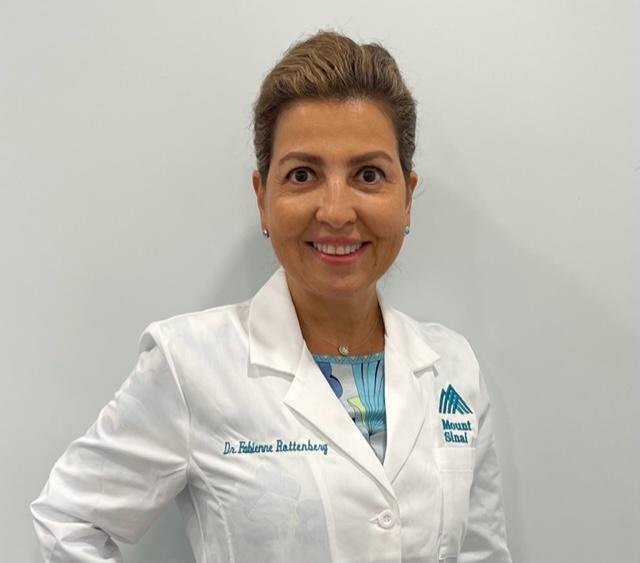
Board-certified foot surgeon · FACFAS · Mount Sinai faculty · English, French, Hebrew & Spanish

Information from the practice of Fabienne Rottenberg, DPM, board certified by the American Board of Foot and Ankle Surgery and Clinical Instructor in Orthopedics at Mount Sinai. Updated . This page is general information, not a diagnosis.
PRP
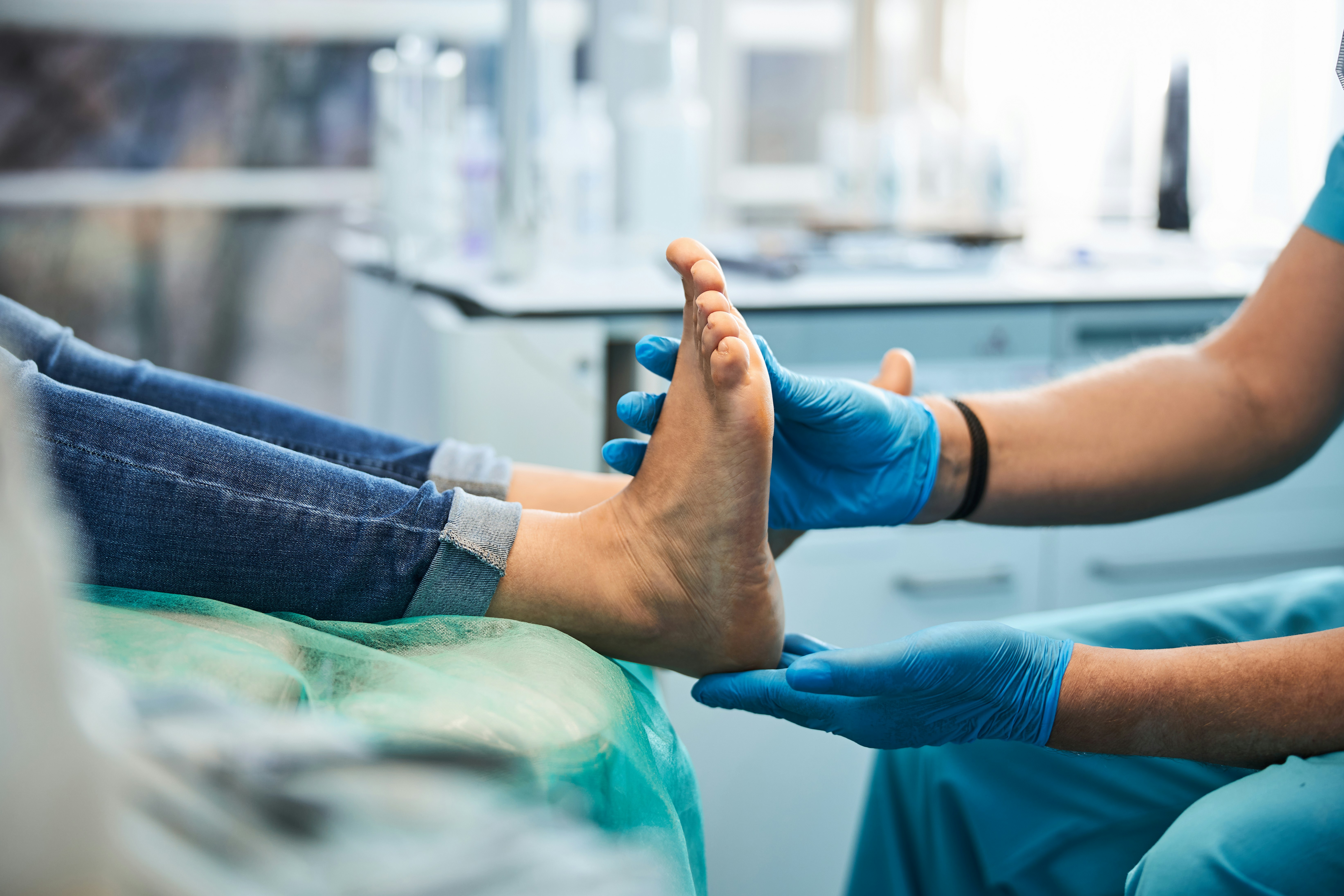
PRP stands for platelet-rich plasma. A small amount of your blood is drawn and spun in a machine to concentrate the platelets, which carry the body’s own healing signals. The concentrate is then injected into the injured plantar fascia or tendon.
PRP is most often used for long-standing plantar fasciitis and tendon problems that have not healed with other care. It works gradually, over weeks rather than days. Research results are mixed, and PRP is usually not covered by insurance, so the office will tell you the cost before you decide.
Viscosupplementation
Hyaluronic acid is a gel similar to the natural fluid that lubricates joints. Injecting it into an arthritic joint, such as the ankle or the big toe joint, is called viscosupplementation. Some patients get months of easier walking.
These injections are FDA-approved for the knee. Using them in the foot and ankle is an off-label use, which Dr. Rottenberg will explain, including whether it is likely to help your joint.
Cortisone
A cortisone (steroid) injection calms inflammation quickly. It is used for flare-ups of plantar fasciitis, Morton’s neuroma, bursitis and arthritis. The number of injections in one area is limited, because repeated cortisone can thin the fat pad and weaken tissue. Cortisone is not injected into the Achilles tendon.
Your options
The right injection depends on the diagnosis. Some problems are better treated without one.
Your own concentrated platelets, for long-standing plantar fasciitis and tendon pain.
A lubricating gel injected into an arthritic ankle or big toe joint.
Fast relief for inflammation, used sparingly in any one spot.
Injections that add cushioning where the fat pad under the foot has thinned. See the fat pad atrophy page.
Not an injection: a prescription patch applied in the office for diabetic nerve pain in the feet.
Orthotics, MLS laser therapy and a stretching or strengthening plan, often used alongside an injection.
Who treats you
Telehealth available: some questions and follow-ups can be handled by video. Ask when you call.
285 West End Ave at 73rd St · Mon–Thu, 9–5
Get a diagnosis first, then a straight answer on which injection fits, what it costs and what to expect.
Questions patients ask
Your own answer depends on an in-person exam. Call the office if your question is not here.
Call (212) 724-4457Usually not. Most insurers consider PRP investigational for foot and ankle problems. The office will tell you the cost before treatment.
PRP works gradually. Most people judge the result over several weeks to a few months, not days. Some need more than one treatment.
The number in one spot is limited and spaced out, because repeated cortisone can thin the fat pad and weaken tissue. Dr. Rottenberg will tell you what is safe for your foot.
There is a brief sting and pressure. A local anesthetic may be used to make it more comfortable. Most people walk out of the office on their own.
Yes, in most cases. After PRP you may be asked to take it easy for a few days. You will get clear instructions before you leave.
They are FDA-approved for the knee. Using them in the ankle or big toe is off-label. Some patients get good relief, and Dr. Rottenberg will discuss whether it makes sense for you.
Sources
This page is general information, not a diagnosis. If you think you have an emergency, call 911.
PRP & Joint Injections · Upper West Side