Bunion surgery
Traditional and minimally invasive bunion correction.
Foot surgery · Board certified
Most foot problems never need an operation. When one does, you want a surgeon who tried the simpler options first, explains your choices plainly and follows you through recovery herself. Dr. Rottenberg is board certified by the American Board of Foot and Ankle Surgery and is an attending in foot surgery at The Mount Sinai Hospital.
Board-certified foot surgeon · FACFAS · Mount Sinai faculty · English, French, Hebrew & Spanish


Information from the practice of Fabienne Rottenberg, DPM, board certified by the American Board of Foot and Ankle Surgery and Clinical Instructor in Orthopedics at Mount Sinai. Updated . This page is general information, not a diagnosis.
Surgery last, not first
Shoes, padding, orthotics, injections, laser therapy and time solve many foot problems. Dr. Rottenberg recommends surgery when those have not worked, or when waiting would make the problem harder to fix.
Before and after
You get a clear explanation of the procedure, why it suits your foot, what recovery involves and how much time you will need off your feet, in writing. Dr. Rottenberg sees you herself after surgery, from the first check to your return to normal shoes.
Surgery is scheduled at a Mount Sinai facility or another appropriate surgical setting, depending on the procedure. Your insurance is checked before you book.
Your options
Your options depend on the problem, your health and your goals.
Traditional and minimally invasive bunion correction.
Straightening toes that are bent, painful or rubbing.
For heel pain that has not responded to months of good care.
Removing or releasing a painful nerve between the toes.
An in-office procedure for nails that keep growing in.
A review of a surgery you have been offered elsewhere.
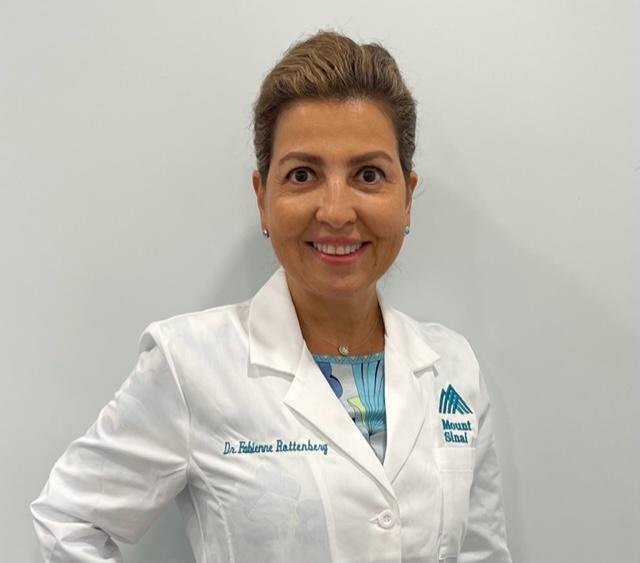
Who treats you
Telehealth available: some questions and follow-ups can be handled by video. Ask when you call.
285 West End Ave at 73rd St · Mon–Thu, 9–5
Find out whether you need surgery, which kind, and what recovery really involves.
Questions patients ask
Your own answer depends on an in-person exam. Call the office if your question is not here.
Call (212) 724-4457It means the surgeon passed the American Board of Foot and Ankle Surgery examinations and a review of her own surgical cases. You can check any surgeon’s status on the ABFAS website.
Yes, for bunions when the bunion is suited to it. Dr. Rottenberg will tell you whether a minimally invasive or traditional approach suits your foot better.
At a Mount Sinai facility or another appropriate surgical setting, depending on the procedure. Many foot procedures are outpatient, so you go home the same day.
Yes. Bring your imaging and the surgeon’s notes if you have them. A second opinion often confirms the plan, and sometimes shows a simpler option.
Surgery that is medically necessary is often covered. The office checks your plan before surgery is scheduled.
Sources
This page is general information, not a diagnosis. If you think you have an emergency, call 911.
Foot & Ankle Surgeon · Upper West Side