Nail trimming and care advice
For mild cases, correct trimming and shoe advice can be enough.
Ingrown toenails · In-office treatment
An ingrown toenail can turn a short walk into misery, and digging it out at home often makes it worse. Dr. Rottenberg numbs the toe, removes the edge of nail that is cutting in, and can stop that edge from growing back if it keeps returning. It is usually done the same visit.
Board-certified foot surgeon · FACFAS · Mount Sinai faculty · English, French, Hebrew & Spanish


Information from the practice of Fabienne Rottenberg, DPM, board certified by the American Board of Foot and Ankle Surgery and Clinical Instructor in Orthopedics at Mount Sinai. Updated . This page is general information, not a diagnosis.
Why it happens
An ingrown toenail happens when the edge of the nail presses into the skin beside it. Nails cut too short or rounded at the corners, tight shoes, a stubbed toe and naturally curved nails all make it more likely. Once the skin is broken, infection can follow.
The treatment
The toe is numbed with a small injection. The numbing stings briefly, then you should not feel the procedure. Dr. Rottenberg removes the narrow strip of nail that is growing into the skin, leaving the rest of the nail in place.
If the same edge keeps growing in, the root of that strip can be treated so it does not grow back. You walk out in your own shoe or a roomy one, with simple instructions for soaking and dressing at home.
Your options
The right option depends on how painful the nail is, whether it is infected, and how often it comes back.
For mild cases, correct trimming and shoe advice can be enough.
The ingrown edge is removed under numbing, usually in a single visit.
For nails that keep growing in, the root of the edge is treated so it does not return.
Treating infection around the nail, with antibiotics when they are needed.
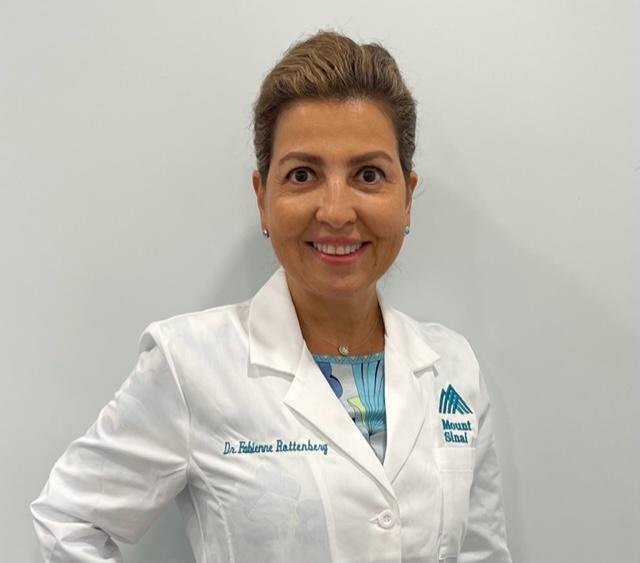
Who treats you
Telehealth available: some questions and follow-ups can be handled by video. Ask when you call.
285 West End Ave at 73rd St · Mon–Thu, 9–5
Most ingrown toenails are treated in a single visit. Call to be seen.
Questions patients ask
Your own answer depends on an in-person exam. Call the office if your question is not here.
Call (212) 724-4457The numbing injection stings for a few seconds. After that, most people feel pressure but no pain during the procedure. Soreness afterward is usually mild.
Most people can, especially with a desk job. Wear a roomy shoe and follow the soaking instructions. Avoid hard running or tight shoes for a few days.
It can if the nail shape or trimming habits are the cause. If it keeps returning, a permanent correction stops that edge from growing back.
Not always. Removing the edge of nail that is cutting in is the main treatment. Antibiotics are added when there are signs of spreading infection.
Please do not. Cutting deep into the corner often leaves a sharp spike that grows in worse and can cause infection.
Yes. Ingrown toenails are common in children and teenagers. The same gentle, numbed procedure is used.
Sources
This page is general information, not a diagnosis. If you think you have an emergency, call 911.
Ingrown Toenails · Upper West Side